
Outdoor Spaces Cleared After Storms
Yard Debris Removal in Waycross for brush, branches, tree limbs, and storm cleanup following weather events
Yard debris accumulates through routine landscaping maintenance and intensifies after storm systems drop tree limbs across lawns and driveways. Dump & Done Junk Removal And Hauling removes brush, branches, tree limbs, leaves, and landscaping waste from residential properties in Waycross. The service addresses both gradual buildup from seasonal trimming and sudden accumulation following wind or ice storms that bring down sections of canopy trees common throughout the region.
Debris removal involves hand-loading branches into truck beds after cutting longer limbs into manageable sections that fit without protruding past the tailgate. Storm cleanup often requires moving fallen limbs off structures or vehicles before hauling, and crews separate yard waste from mixed debris like shingles or siding torn loose during the same weather event.
Schedule yard debris removal after you've finished cutting and piling materials for efficient loading and hauling.
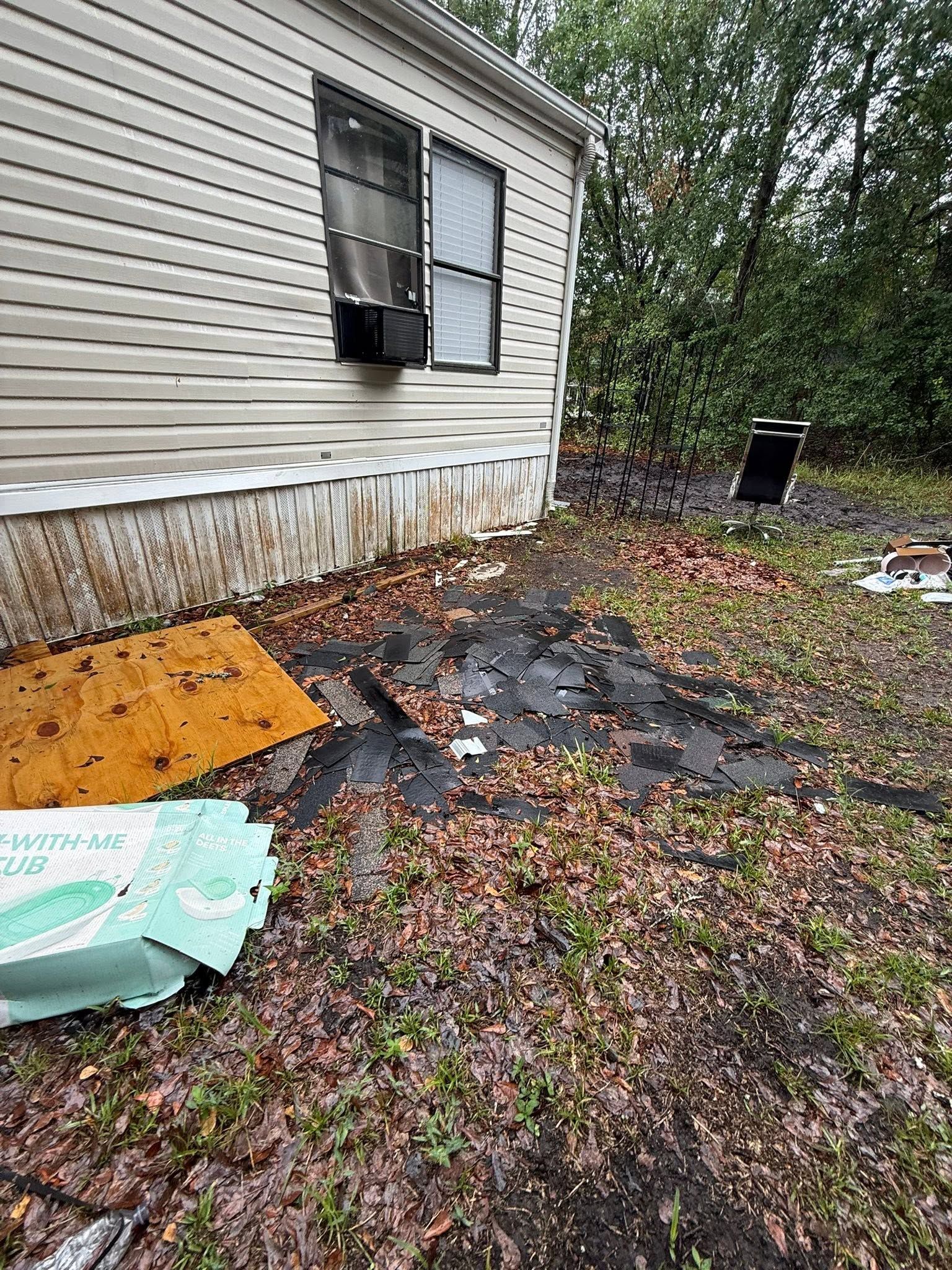
What Changes After Yard Waste Removal
The removal process prioritizes larger limbs and trunk sections first to reduce pile volume, then finishes with smaller brush and leaf accumulations that fill gaps in the load. Branches with diameters exceeding six inches get cut into rounds on-site for easier stacking, and thorny brush like overgrown hedges requires glove handling to prevent punctures during loading.
Once debris clears, your property shows restored lawn access where limb piles previously blocked mowing patterns and foot traffic. Removing storm debris uncovers turf that was shaded and flattened under branches, which typically rebounds within two weeks if the grass wasn't sitting under debris long enough to yellow from light deprivation.
Yard debris removal includes branch cutting, loading, and hauling to green waste facilities where organic material gets composted rather than landfilled. The service does not include stump grinding, root removal, or tree cutting above ground level, which require arborist equipment and licensing separate from hauling services.
What Property Owners Usually Ask
Questions about yard debris often focus on storm timing, material preparation, and how different waste types affect hauling logistics in Waycross.
What preparation helps speed up yard debris removal?
Drag branches to a central pile location near driveway or road access, cut limbs longer than eight feet into shorter sections, and separate yard waste from trash or construction debris mixed into the same area.
How soon after storms should debris removal be scheduled?
Waycross experiences increased demand for hauling immediately following severe weather, so scheduling within the first few days secures faster service than waiting until accumulated debris sits for weeks and additional storms add more material.
What types of yard waste can be removed together?
Brush, branches, leaves, and grass clippings combine in the same load without issue, but stumps and root balls require separate hauling due to soil weight and density that limits load capacity significantly.
When does yard debris qualify for green waste disposal?
Clean organic material without attached trash, plastic tree bags, or construction debris gets hauled to composting facilities, while contaminated loads go to standard landfills at higher disposal rates that affect overall service cost.
How does seasonal timing affect yard waste volume?
Spring trimming generates flowering tree branches and hedge clippings, summer produces leaf and grass accumulations, and fall adds deciduous tree limbs plus leaf piles, with each season creating different density and moisture content that affects truck load capacity.
Dump & Done Junk Removal And Hauling handles yard debris throughout Waycross for properties managing routine landscape maintenance or recovering from storm damage. Coordinate removal timing with your cleanup progress to avoid rescheduling as additional debris gets cut and piled.